- All
- Product Name
- Product Keyword
- Product Model
- Product Summary
- Product Description
- Multi Field Search


loading
| Availability: | |
|---|---|
| Quantity: | |


Inside a wind turbine tower, the most important parts are often the ones people never see. They sit behind the outer shell, carrying loads, supporting alignment, and helping the entire structure behave predictably under wind, vibration, and long operating cycles. That is where these welded machined parts matter. They are not decorative add-ons or generic steel pieces. They are internal structural elements built to help the tower barrel perform with confidence over time.
A strong internal component changes how the whole tower feels in service. Properly fabricated steel parts create a sense of order and integrity inside the structure: cleaner fit-up, steadier support, and better resistance to the fatigue that comes from years of changing loads. When the welding is consistent, when the machined surfaces meet specification, and when the coating adheres cleanly after blasting, the result is not just a finished part. It is a quieter, more reliable contribution to the entire wind power system.
This product is especially valuable in environments where weather, time, and mechanical stress do not forgive weak fabrication. Wind towers operate in conditions that demand more than basic metalwork. The internal parts must support structural reliability while standing up to corrosion risk, assembly demands, and long maintenance intervals. That is why the manufacturing route behind these parts matters just as much as the parts themselves. From raw material control to machining, from welding to sand blasting and spraying, every stage supports the same goal: dependable performance inside the tower barrel.


| Product Technology
| Raw Materials By partnering with elite suppliers, we meticulously control the quality of raw materials, guaranteeing a reliable and consistent source for our production needs. |
Machining Our precise machining processes ensure that all critical dimensions, tolerances, and surface finishes of the product adhere strictly to design specifications. |
|
| Welding Our dedicated welding team adheres to stringent quality control measures, ensuring welds meet rigorous inspection standards. This results in impeccable appearance and maintains the stability and consistency of our welds. |
Sand Blast Our advanced sandblasting procedure effectively removes surface impurities from workpieces, significantly enhancing the adhesion of subsequent coatings. |
|
| Spraying Our uniform and meticulous coating process not only considerably boosts the product's wear and corrosion resistance but also elevates its overall aesthetic appeal and textual quality. |
Designed as key structural parts inside wind power tower barrels
Built to help the tower maintain stability under vibration, wind load, and long-term service conditions
Suitable for projects where internal support components must match the seriousness of the outer tower structure
Uses automated or semi-automated welding processes
Helps improve weld consistency, appearance, and repeatability across production
Supports more reliable fabrication for structural tower internals
Precision machining is used on critical areas to help meet drawing requirements
Supports tighter control over fit-up, tolerance, and assembly accuracy
Especially valuable when internal components must align with surrounding structural parts
Sand blasting helps remove impurities and improve coating adhesion
Spraying adds wear resistance, corrosion resistance, and cleaner visual finish
Helps internal steel parts maintain performance in demanding service environments
Industrial tower components are only as good as the process behind them. This product follows a manufacturing route that reflects that reality. The current product page presents a full process chain: raw materials, machining, welding, sand blast, and spraying. That sequence is important because it shows the product is not being treated as a simple fabricated steel piece, but as a controlled structural component that must meet technical and service expectations.
The raw material stage matters because stable steel quality is the foundation for stable welding and machining. Precision machining then helps critical dimensions, tolerances, and surface finishes stay aligned with design intent. Welding is handled under strict control so that welds meet inspection requirements and maintain consistency. After fabrication, sand blasting improves surface cleanliness and coating adhesion, while spraying helps strengthen corrosion resistance and surface durability.
This approach matches broader market expectations for heavy welded structural components. Comparable fabrication pages emphasize deformation control, welding sequence control, machining after welding, and dimensional inspection as essential steps for large custom steel assemblies. In wind tower applications, that discipline is especially important because structural integrity depends on both fabrication accuracy and inspection rigor.
For tower-barrel internals, welding quality is not a background detail. It is a deciding factor in structural trust. The current product page specifically states that the welded metal parts undergo strict non-destructive testing to verify that there are no cracks, pores, or similar defects. That statement is important because it shifts the product from a general fabrication claim to a verified structural-quality claim.
In real wind-power service, these inspections matter because towers face repeated dynamic loading over long life cycles. Poor weld quality can turn a minor discontinuity into a larger service issue over time. By contrast, controlled welding plus inspection helps reduce uncertainty before the component ever enters the tower. This is consistent with wind tower manufacturing logic more broadly, where tolerance control, weld inspection, flange alignment, and dimensional checks are treated as essential steps in building reliable tower sections. Patent literature on wind power tower barrel construction describes detailed inspection and tolerance requirements, including ellipticity, flatness, and joint control, which reinforces how critical fabrication precision is in this field.
The practical benefit is simple: better welded internals support better overall tower performance. They help reduce avoidable risk, strengthen assembly confidence, and support longer, steadier operation in the field.
Wind turbine tower internal structures
Suitable for use as internal welded and machined support parts within tower barrels where strength, stability, and service reliability are required.
Tower barrel assembly projects
Useful in projects where internal parts must fit accurately with surrounding structural sections and support efficient installation.
Wind energy equipment manufacturing
A strong fit for manufacturers and integrators building or upgrading wind power systems that need dependable internal metal components.
Harsh outdoor operating environments
Designed for conditions where bad weather, cyclic loading, and long-term exposure place high demands on steel fabrication quality and coating performance.
Custom industrial structure applications
Relevant for projects that require welded plus machined structural parts produced according to drawings and technical requirements.
| Item | Details |
|---|---|
| Product Name | Welded Machined Parts inside Tower Barrel |
| Product Category | Wind Turbine Tower Internal Components |
| Primary Use | Internal structural components inside wind power tower barrels |
| Core Function | Support structural strength, stability, and long-term durability |
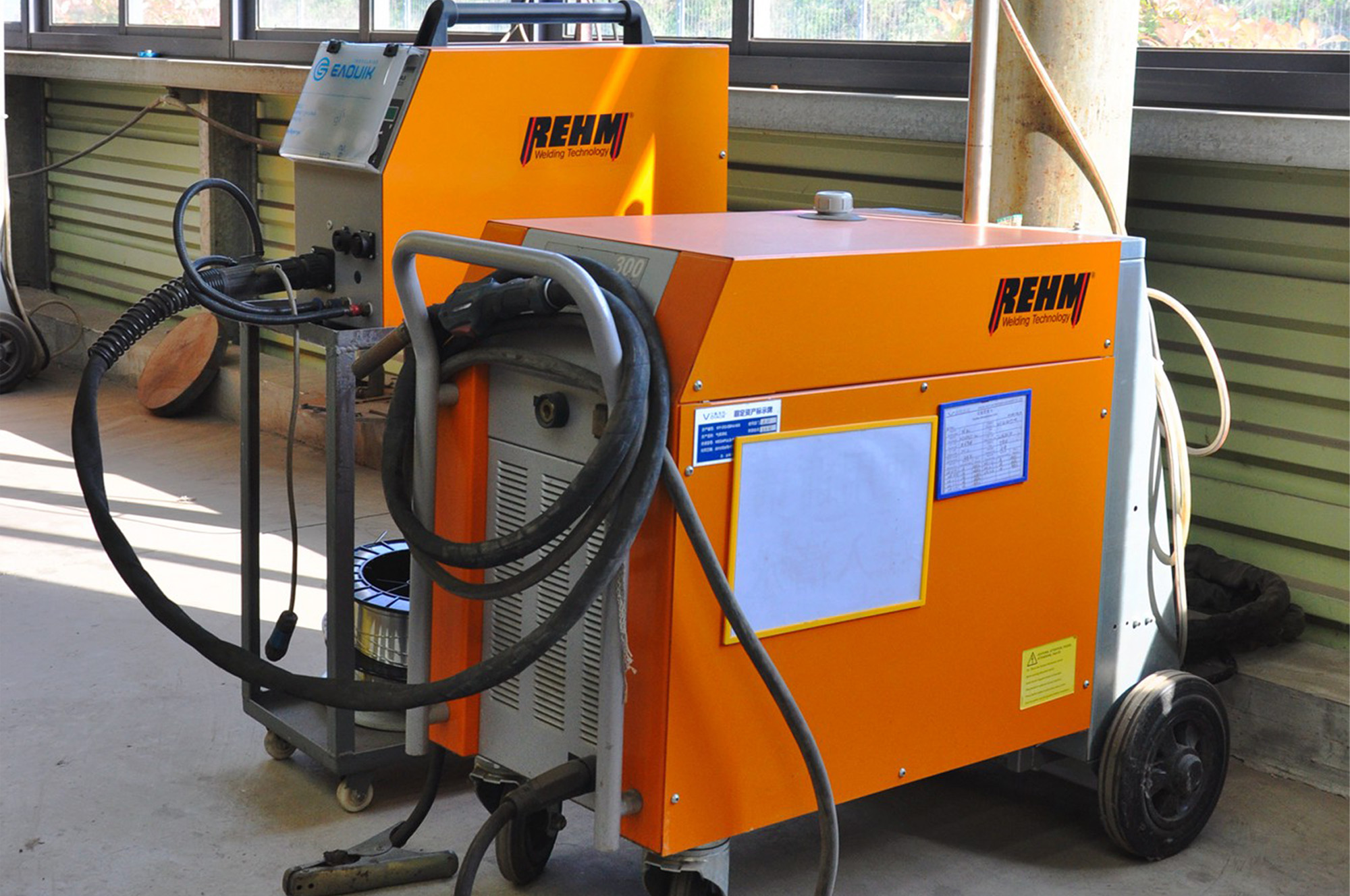
| Welding Method | Automated or semi-automated welding process |
| Inspection | Strict non-destructive testing |
| Controlled Defect Checks | Cracks, pores, and other welding defects |
| Manufacturing Process | Raw materials, machining, welding, sand blast, spraying |
| Machining Purpose | Critical dimensions, tolerances, and surface finish control |
| Surface Preparation | Sand blasting |
| Surface Treatment | Spraying / coating |
| Performance Benefits | Strength, durability, coating adhesion, wear resistance, corrosion resistance |
| Service Environment | Wind power systems, harsh weather, long-term operation |
We structure the product around real manufacturing logic, not vague description
We highlight the full fabrication route so buyers can understand how quality is built into the part
We focus on the issues that matter in wind-tower components: weld integrity, machining accuracy, inspection, and corrosion protection
We present the product in a way that reflects actual industrial expectations for structural components
We write with a clear E-E-A-T mindset: process transparency, application relevance, technical credibility, and original content grounded in the source material
These parts are valuable because they solve a serious problem quietly. Inside a tower barrel, reliability depends on components that fit correctly, weld cleanly, resist corrosion, and stay dependable over long operating cycles. When that work is done well, the benefit shows up as smoother assembly, stronger structure, and more confidence in long-term performance. That is the kind of value this product is designed to deliver.
It is used as a welded and machined internal structural component inside wind turbine tower barrels, where strength and durability are important.
Machining helps ensure that critical dimensions, tolerances, and surface finishes meet design requirements, which improves fit-up and assembly accuracy.
The current page states that automated or semi-automated welding is typically used to improve welding consistency and reliability.
Yes. The page specifies strict non-destructive testing to check for cracks, pores, and other defects.
Sand blasting improves coating adhesion by removing impurities, and spraying enhances wear resistance, corrosion resistance, and overall surface quality.
Not necessarily. Comparable large-fabrication pages in this category emphasize that these components are often custom-made according to drawings and technical requirements, especially when heavy welding plus machining is required.