- All
- Product Name
- Product Keyword
- Product Model
- Product Summary
- Product Description
- Multi Field Search


A wind turbine tower does not feel impressive because of what can be seen from the outside alone. Its long-term reliability is also decided by the hidden parts inside the tower shell—the parts that carry platforms, ladders, cable routes, maintenance loads, and the repeated stress of daily operation. Our Curved Bracket Inside Wind Turbine Tower for Enhanced Strength is developed for exactly that demanding environment.
| Quantity: | |
|---|---|


Curved design aligns with the circular inner wall of the wind turbine tower
Reduces the awkward gap and mismatch often seen with non-matched support parts
Supports cleaner contact, better installation positioning, and stronger visual integration
Designed for internal structural support applications inside wind turbine towers
Helps improve local stability and support continuity
Well suited for projects where dependable load-bearing behavior and long service life are priorities
Surface treatment can improve both corrosion resistance and anti-slip performance
Supports safer movement and maintenance inside the tower
Helps create a more secure feel for technicians working at height
Wind tower interiors experience moisture, temperature variation, vibration, and repeated operational stress
Protective finishing helps the bracket maintain performance in demanding climates
Durable fabrication reduces the risk of premature deterioration
Material, dimensions, hole positions, curvature, and finish can be adjusted according to project drawings
Suitable for integration with different internal tower layouts and support systems
Supports OEM/ODM-style production for project-specific requirements
This curved bracket is suitable for a wide range of wind turbine tower interior support tasks, especially where the component must follow the cylindrical shell and maintain dependable structural behavior over time.
Wind turbine tower internal support systems
Maintenance platform support connections
Ladder and access structure support
Cable tray or routing support interfaces
Internal equipment mounting structures
Retrofit or replacement projects for tower interior components
Customized support assemblies for onshore and related wind power tower systems
Projects that require tighter geometric fit inside round towers
Installations where corrosion resistance is critical
Interior layouts that must remain organized, safe, and service-friendly
Fabrication programs that need repeatable quality and documented process control
In practical use, a well-made curved bracket brings a quiet kind of confidence. It sits close to the shell, looks structurally logical, and gives the inside of the tower a stronger, cleaner framework. That matters not only during installation, but throughout the full service life of the tower.
It is used inside wind turbine towers to provide structural support while matching the curved inner wall of the tower shell. This improves installation fit and supports internal stability.
A curved bracket follows the natural geometry of the tower barrel more closely. That usually means better contact, cleaner assembly, and a more structurally logical interior layout.
Yes. Dimensions, curvature, material selection, hole layout, and surface treatment can be adjusted according to your drawing and project requirements.
The current product page states that the bracket surface is specially coated or treated to improve corrosion resistance and anti-slip performance. Specific finishing options can be confirmed based on project needs.
Yes. It is intended for wind power applications where durability and corrosion resistance are important. Final suitability depends on the selected material, finish, and project environment.
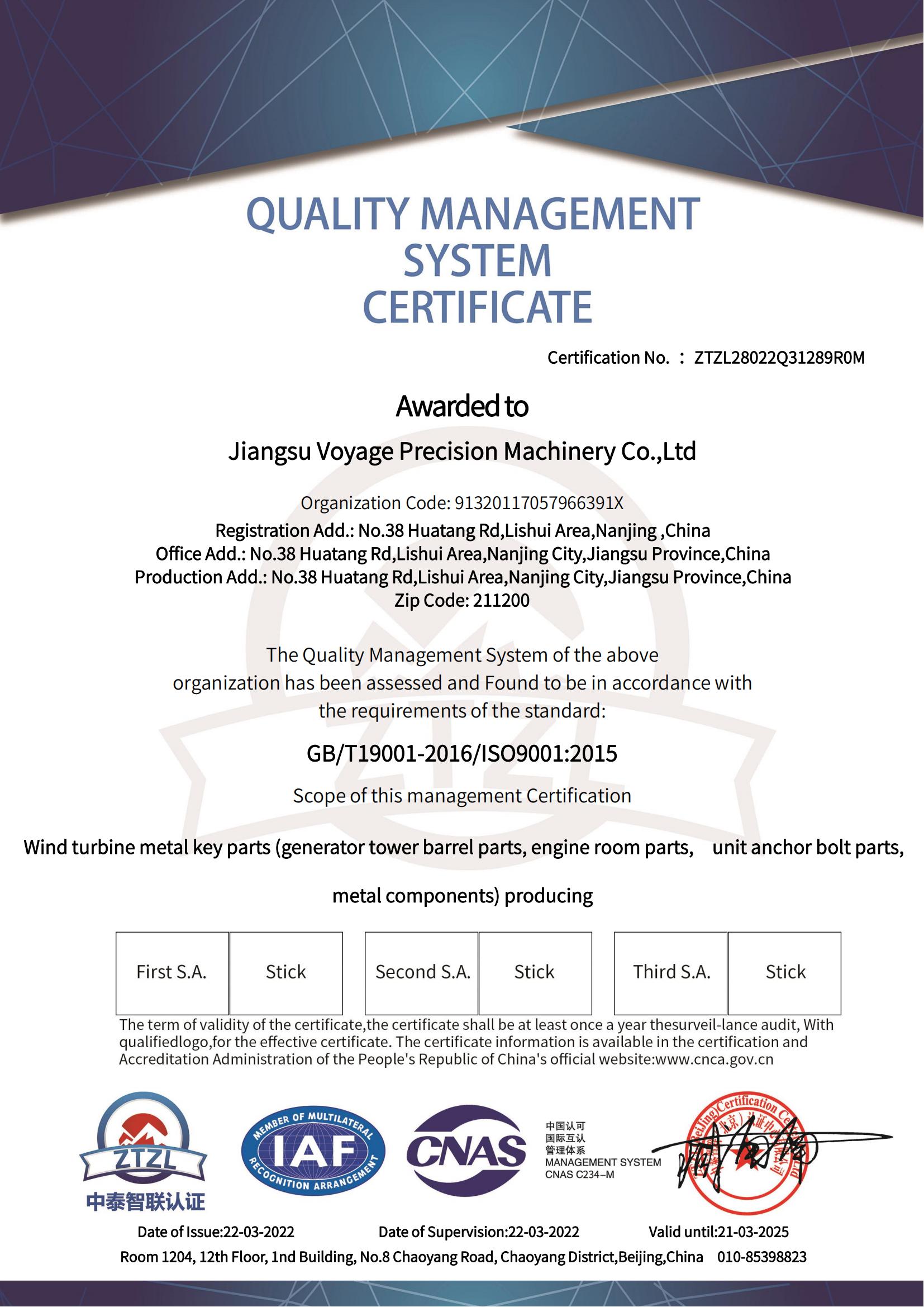
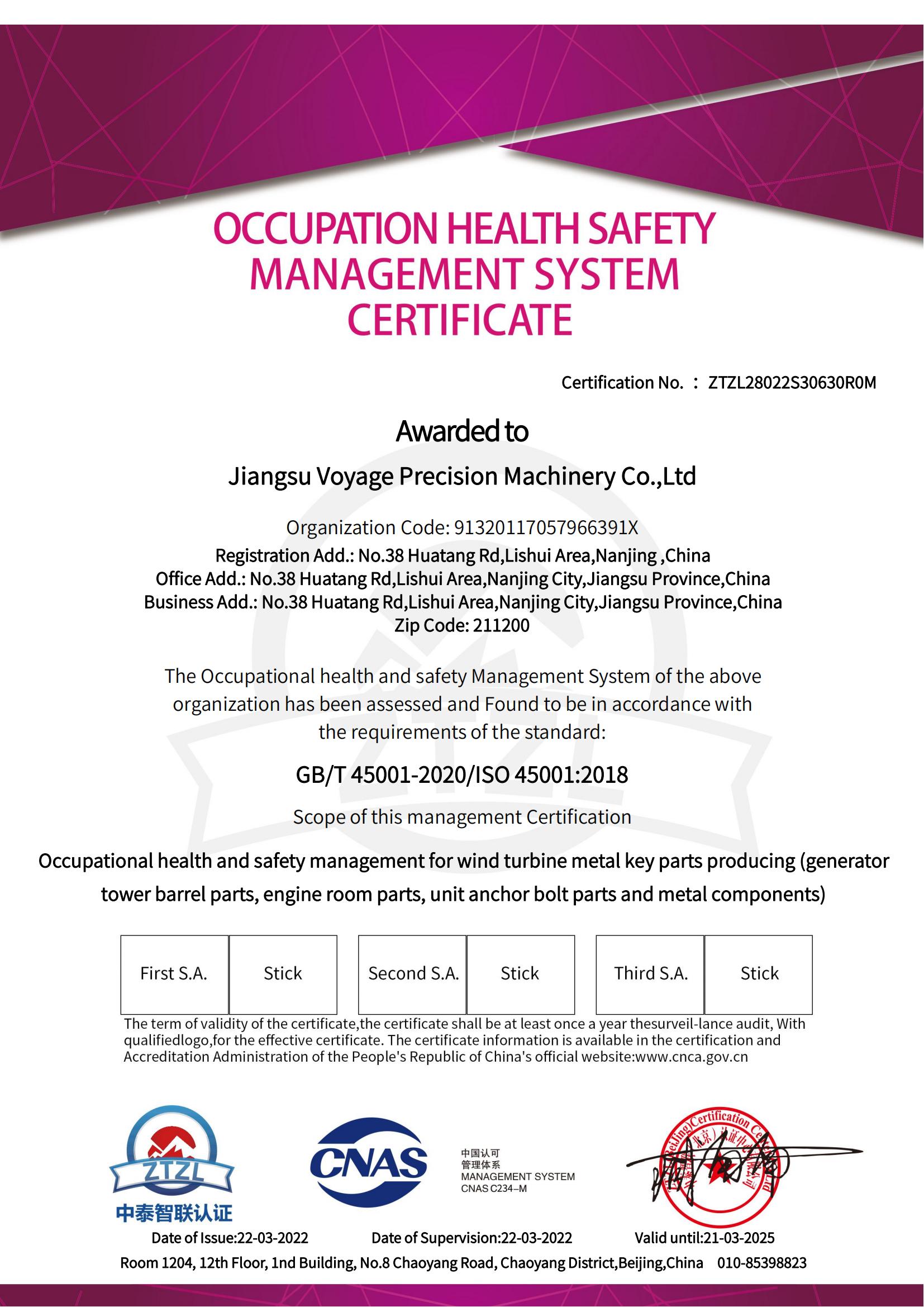
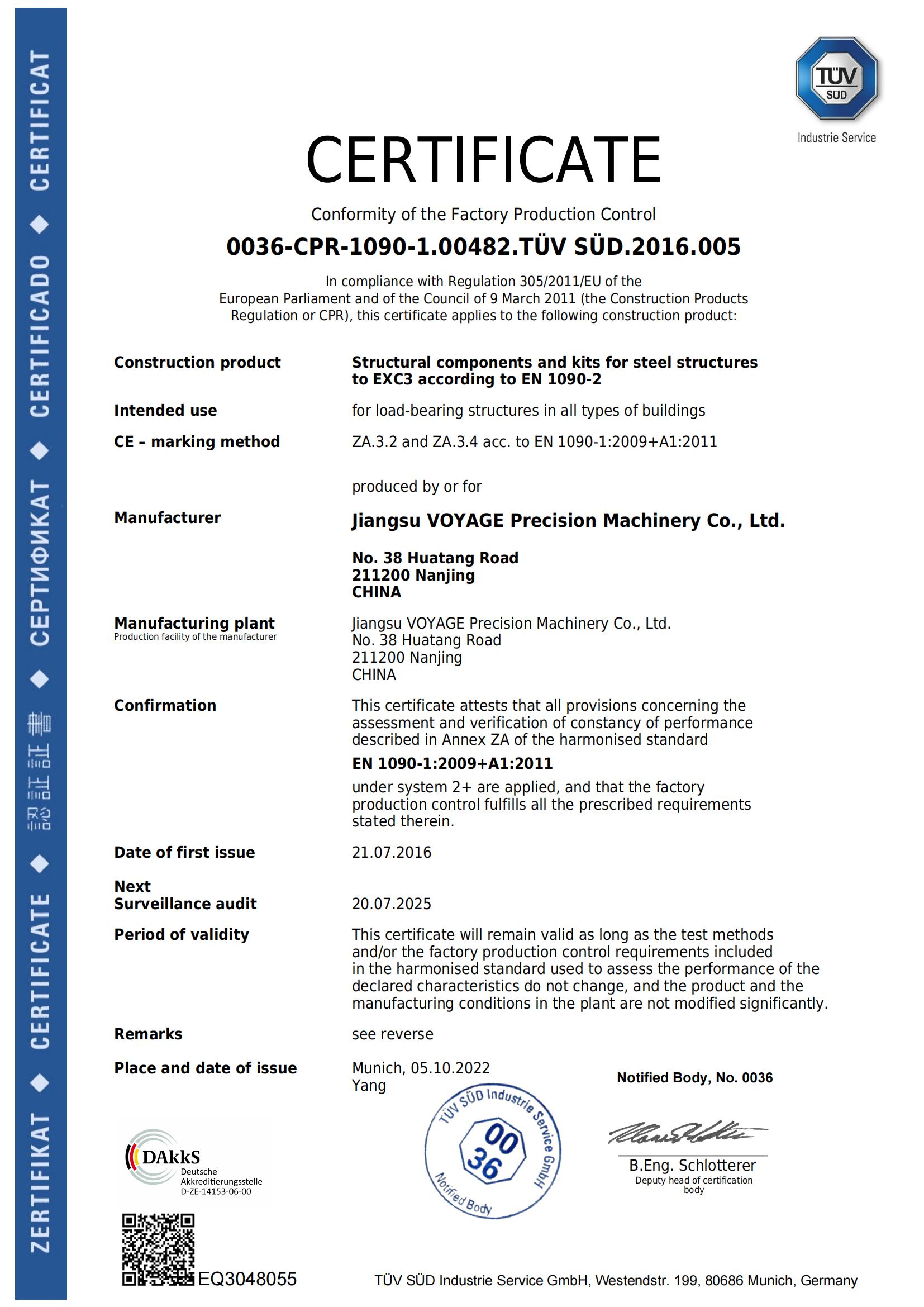
The current page shows ISO9001, ISO45001, ISO14001, and EN1090 as relevant certifications.
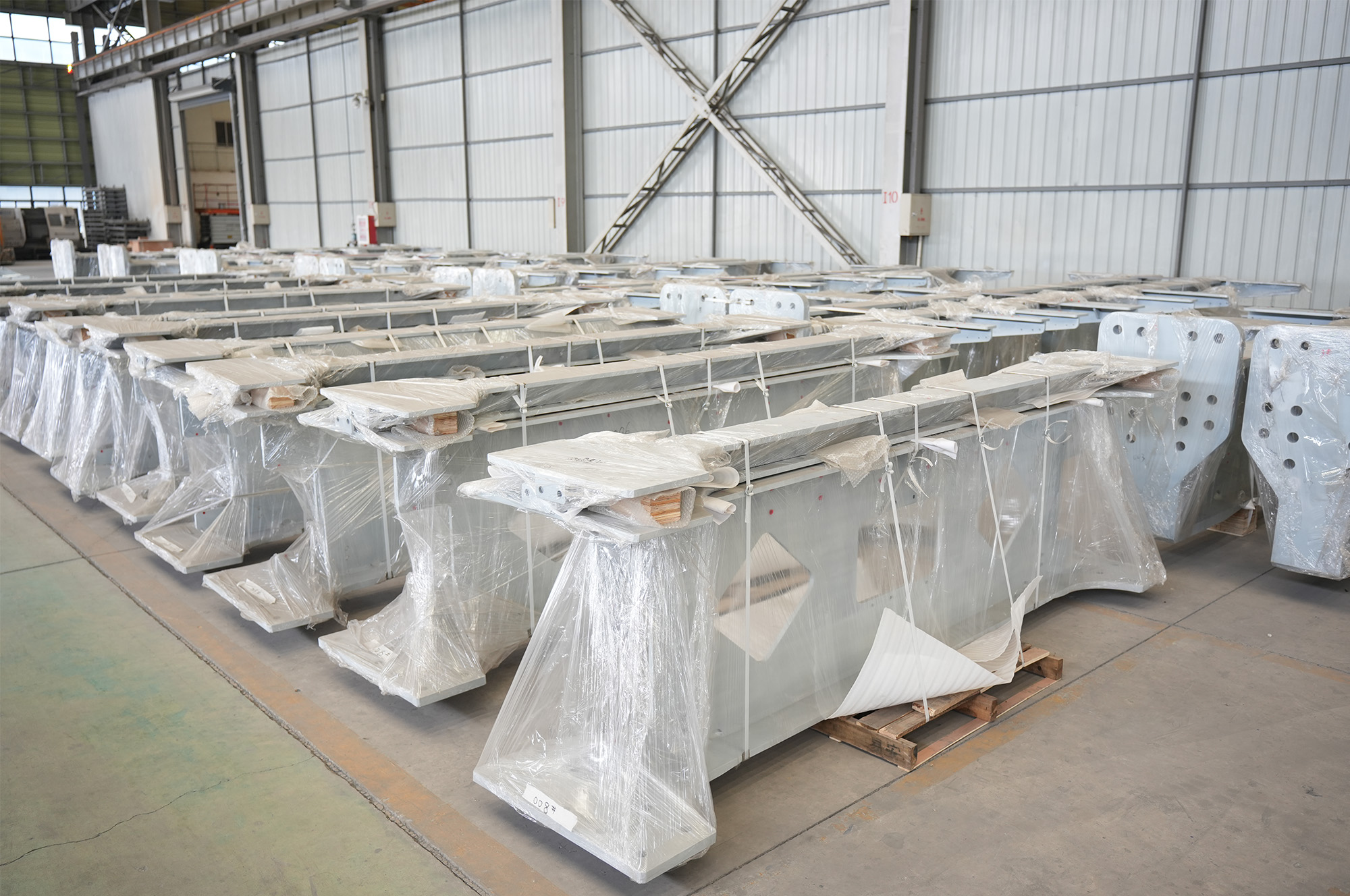
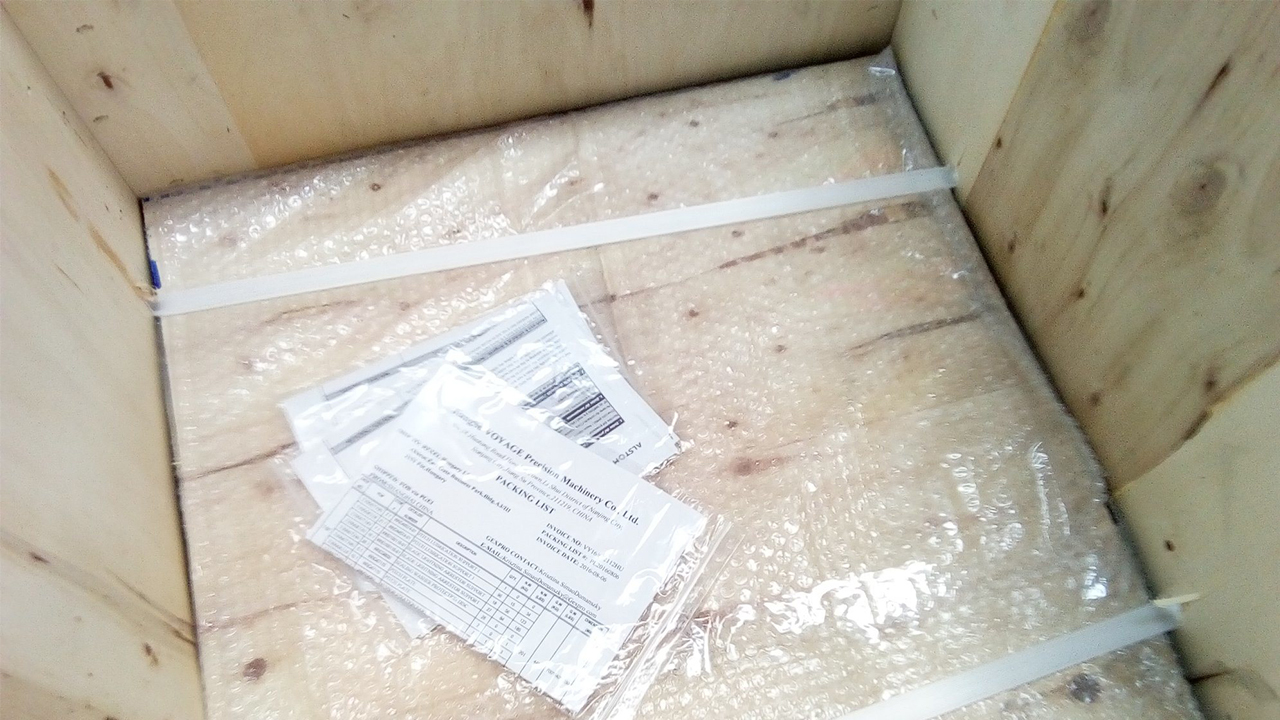
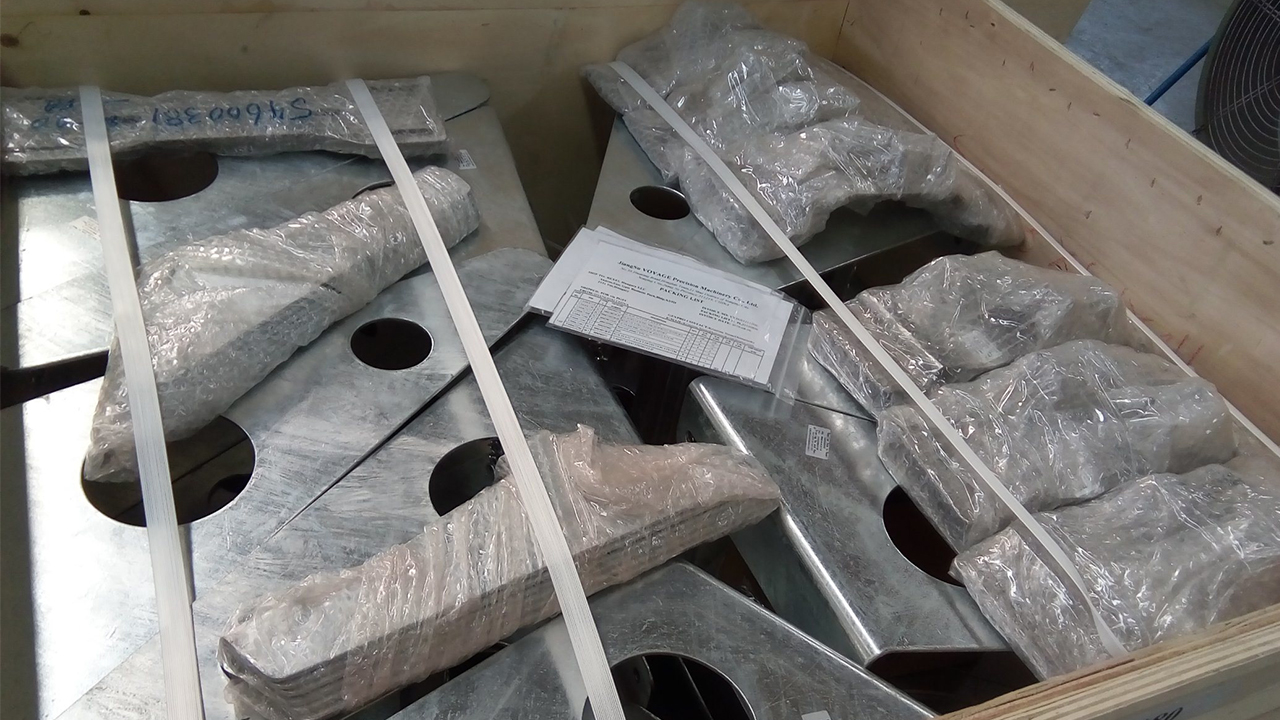
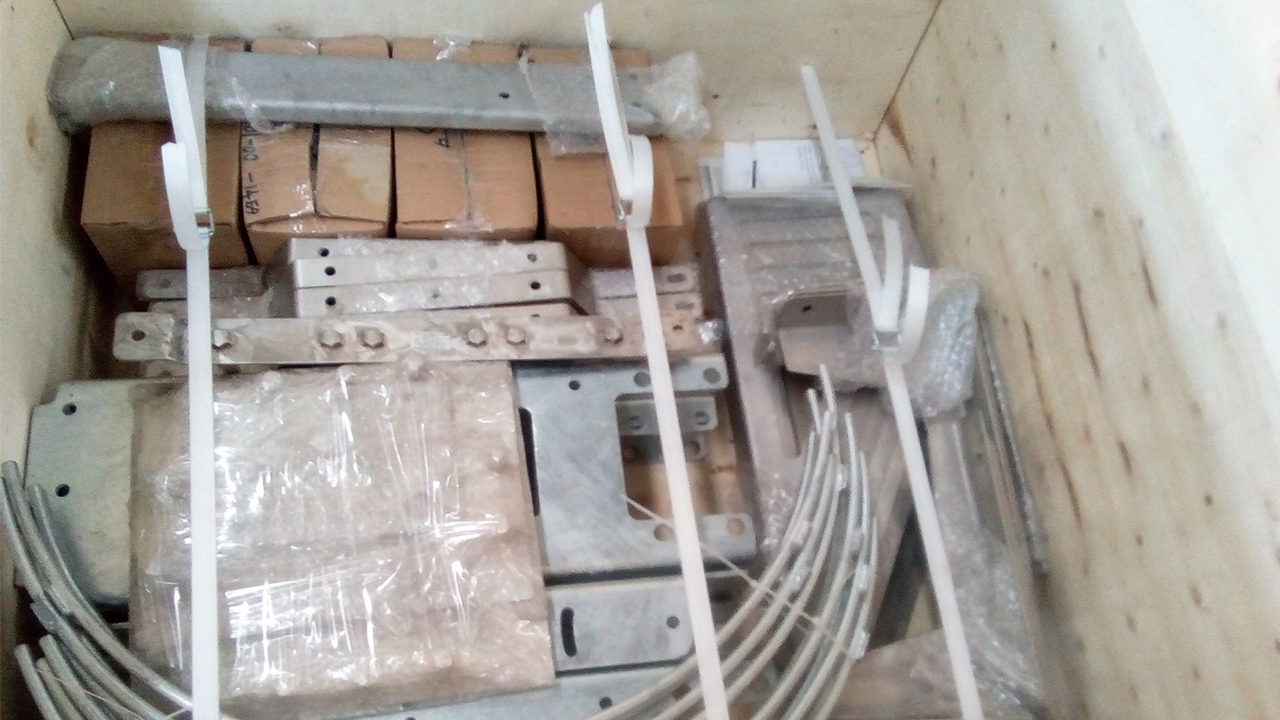
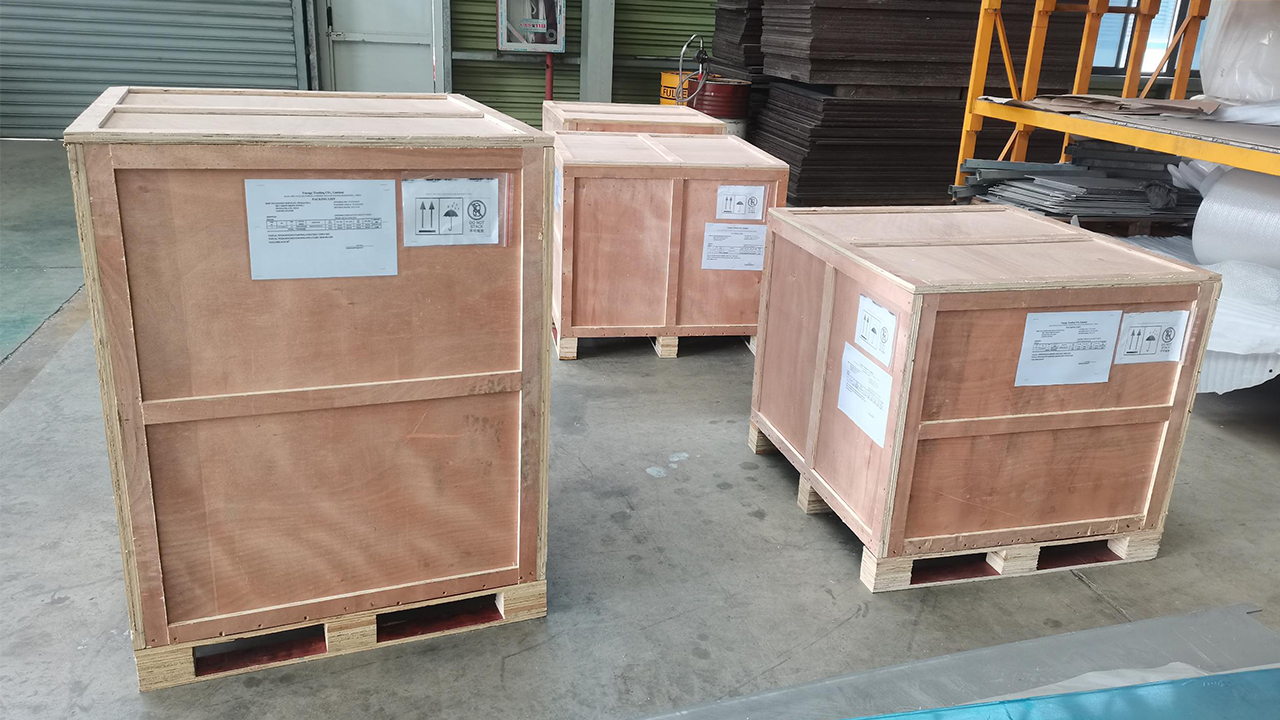
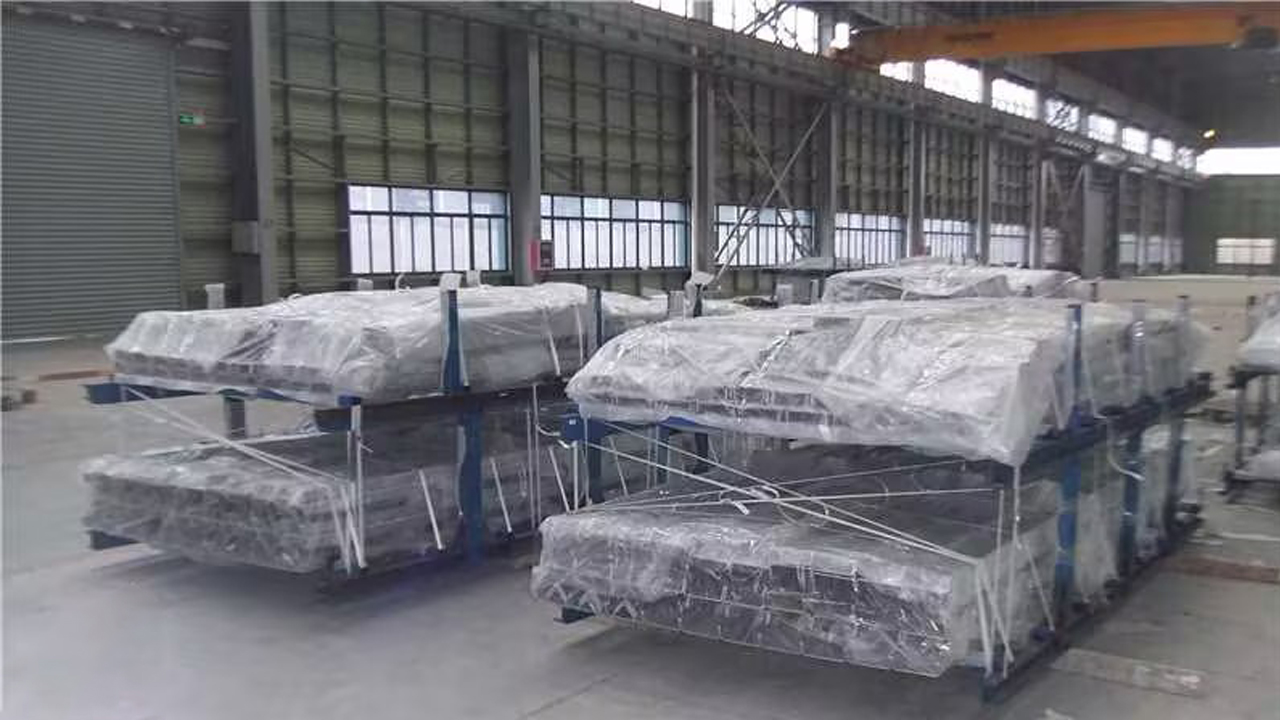
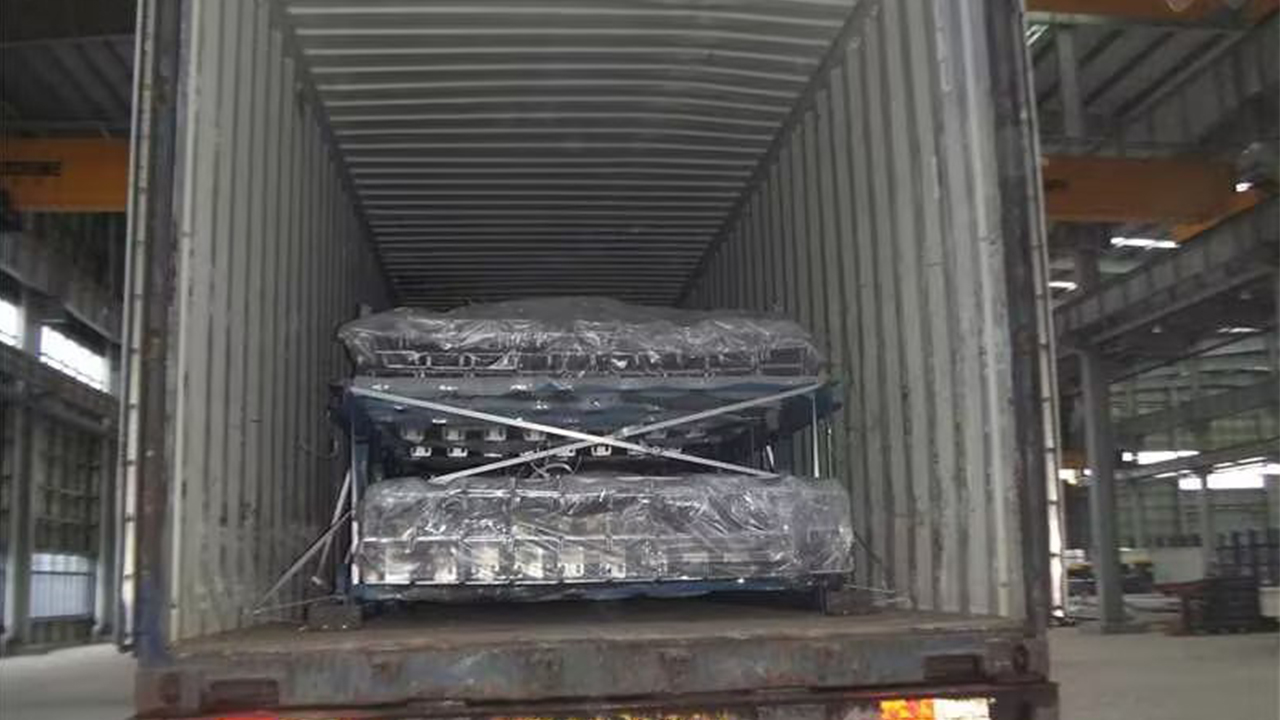
The product is packed in sturdy custom wooden boxes with protective internal wrapping such as pearl cotton or bubble film, plus secure bundling to reduce transport damage.
Please provide drawings, required dimensions, material preference, surface treatment needs, quantity, and application details inside the tower. This helps us recommend the most suitable manufacturing solution.